Real natural stone D&D dice — amethyst, lapis lazuli, tiger's eye, labradorite, jasper and more. Hand-cut 7-piece sets where every die is one of a kind. See our Gemstone Dice Guide for help choosing the right stone for your character.
Stone Dice Deep Dives
Seven guides covering authenticity, mineralogy, comparison and durability for stone dice buyers. Start with the authenticity tests, then pick the specific stone guide that matches what you're shopping for.
- How to Spot Fake Stone Dice: Genuine Gemstone vs Resin — Four tests (touch, weight, visual variation, scratch-on-glass) separate real gemstone dice from resin and composite imitations. The starting point for any stone dice purchase, especially mid-priced sets where the imitation risk is highest.
- Nephrite vs Jadeite: The Jade Triangle for DnD Dice — Jade is two distinct minerals with different chemistry, hardness, and price tiers. This guide explains when nephrite is the pragmatic pick and when jadeite earns its premium, plus where jade-look glass fits for budget buyers.
- How to Identify Real Lapis Lazuli Dice: The Pyrite Inclusion Test — Real lapis carries natural pyrite specks and calcite veining, plus a Mohs 5-5.5 hardness that fails the glass scratch check. Four tests catch dyed howlite, Swiss lapis (dyed jasper), and reconstituted-stone imitations within the return window.
- Stone Dice Drop Test: 3-Week Interim Report — Day 21 of our 30-day controlled drop test across amethyst, lapis lazuli, labradorite, jade-look cat's eye, and African bloodstone. Tray choice matters more than stone choice for everyday survival, with measured findings rather than marketing claims.
- Sharp-Edge Dice and Roll Distribution: A Probability Q&A — Does sharp-edge geometry change the math behind a fair roll? No, but it does change wear patterns, stopping behavior, and long-term balance. Twelve practical questions answered for gemstone, resin, and metal sets alike.
- Hollow vs Solid Metal Dice: Weight, Sound, and Feel — Hollow metal lands at 18-24g; solid metal at 28-35g. The weight gap drives different sound profiles, hand fatigue, and table-damage risk. Useful context if you are mixing metal dice into a gemstone-focused rotation.
- 4d6 Drop Lowest vs Standard Array vs Point Buy — Three DnD 5e stat-generation methods produce statistically different characters. The rolling method benefits from matched dice with consistent face flatness, which is where heavier gemstone D6 sets actually outperform budget resin.
// Dungeon Armory
Explore Arsenal
11 artifacts available
◆ RARE-51%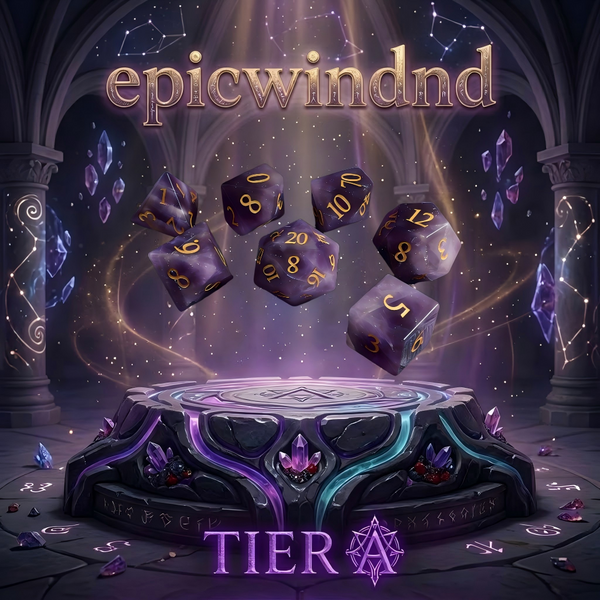
Amethyst Polyhedral Dice Set (7pcs)
$64.99$134.99
View Details →
◆ RARE-55%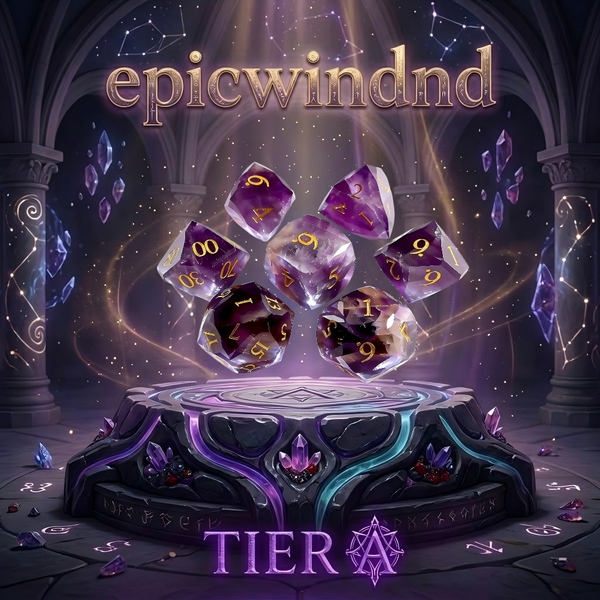
Natural Amethyst DND Dice Set 7PCS
$84.99$189.99
View Details →
◆ RARE-51%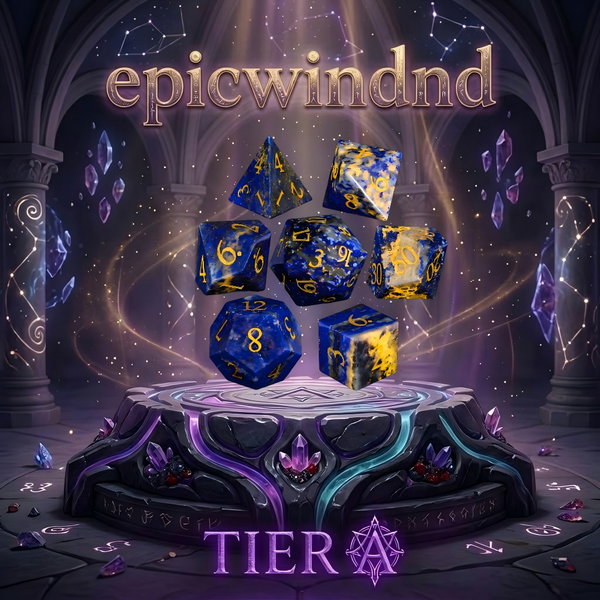
Lapis Lazuli Polyhedral DND Dice Set (7PCS)
$64.99$134.99
View Details →
♦ LEGENDARY-61%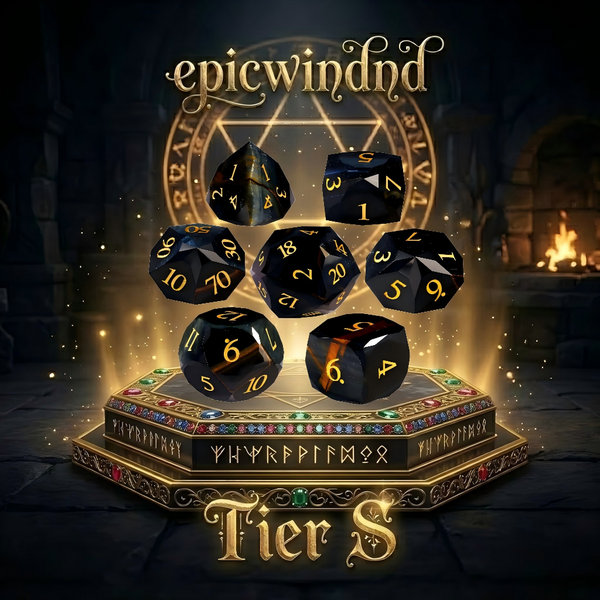
Blue Tiger's Eye Natural Stone Polyhedral Dice Set (7pcs)
$114.99$294.99
View Details →
◆ RARE-59%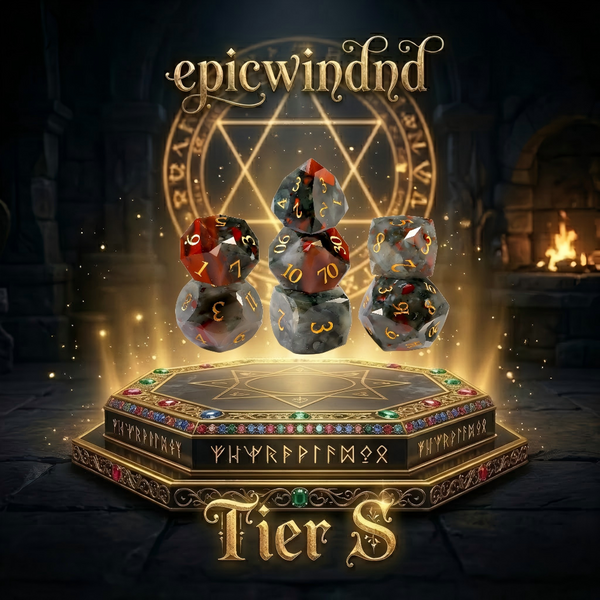
African Bloodstone Polyhedral Dice Set (7pcs)
$99.99$244.99
View Details →
▲ UNCOMMON-50%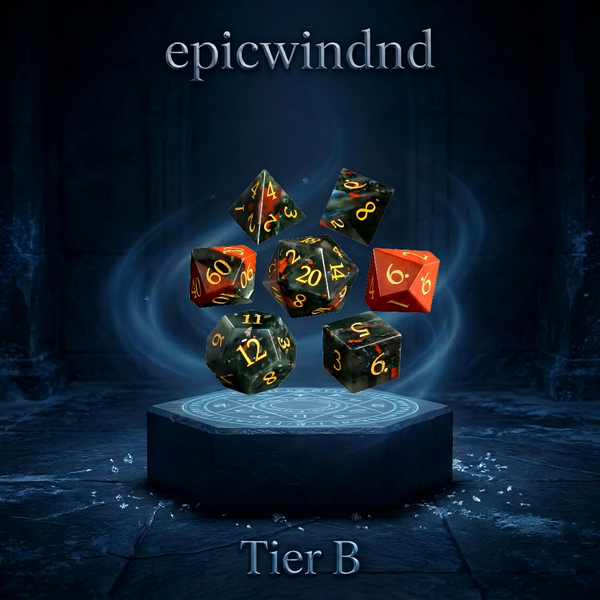
Natural Bloodstone Polyhedral Dice Set (7pcs)
$49.99$99.99
View Details →
◆ RARE-57%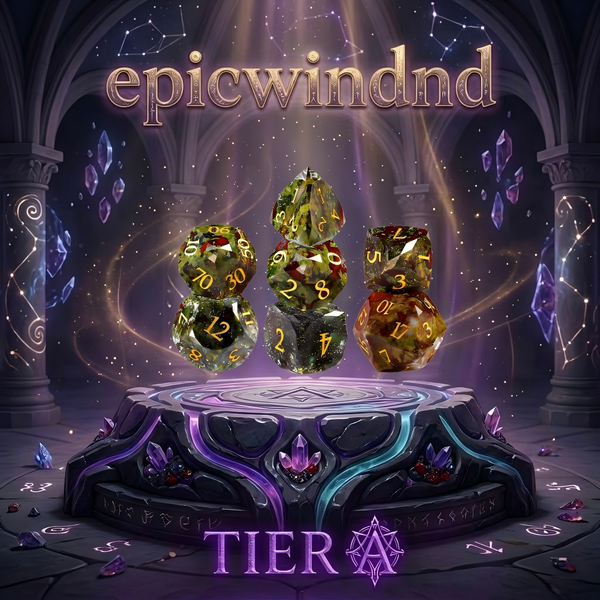
Dragon Bloodstone Polyhedral Dice Set (7pcs)
$84.99$199.99
View Details →
◆ RARE-60%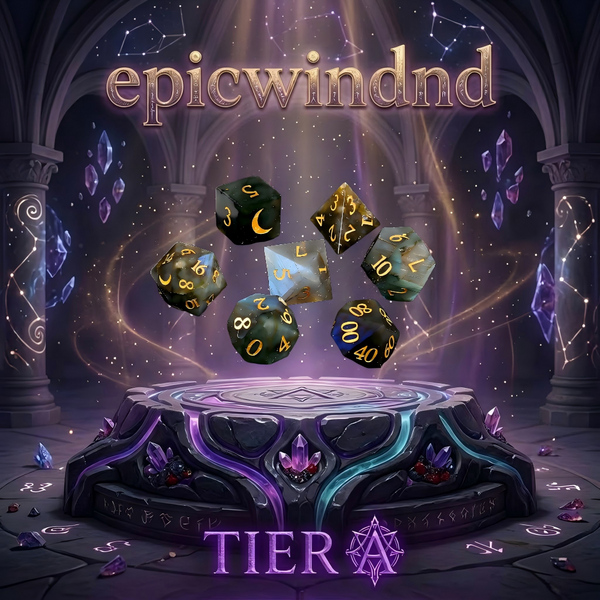
Real Labradorite DnD Dice Set (7pcs) — Labradorescent Stone Polyhedral
$74.99$189.99
View Details →
◆ RARE-54%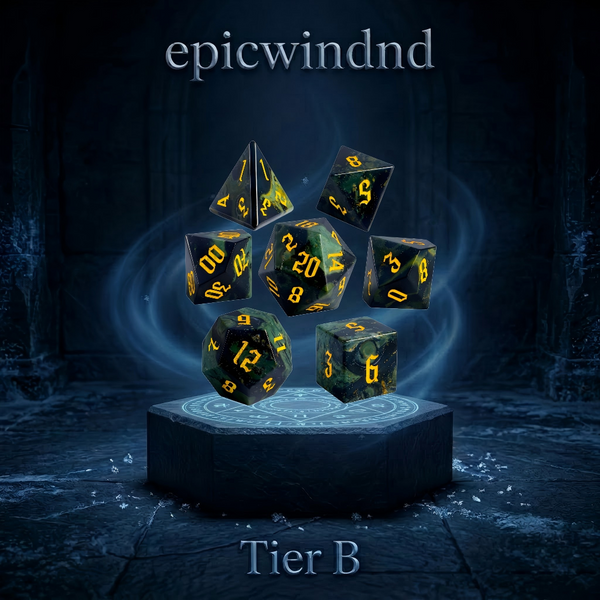
Kambaba Jasper Polyhedral Dice Set (7pcs)
$54.99$119.99
View Details →
◆ RARE-47%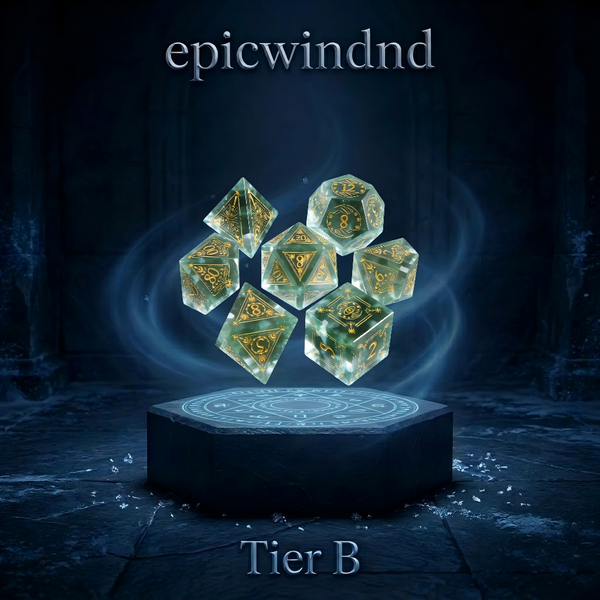
Green Aventurine DND Dice Set 7PCS
$59.99$114.99
View Details →
◆ RARE-50%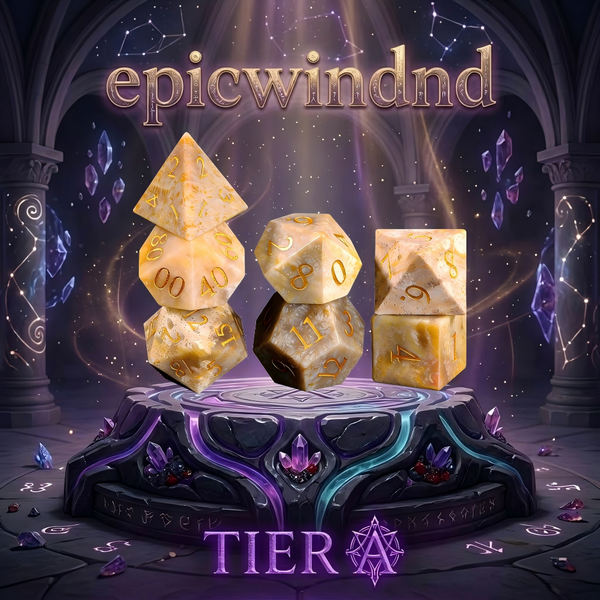
Natural Chrysanthemum Stone Polyhedral Dice Set (7pcs)
$64.99$129.99
View Details →